
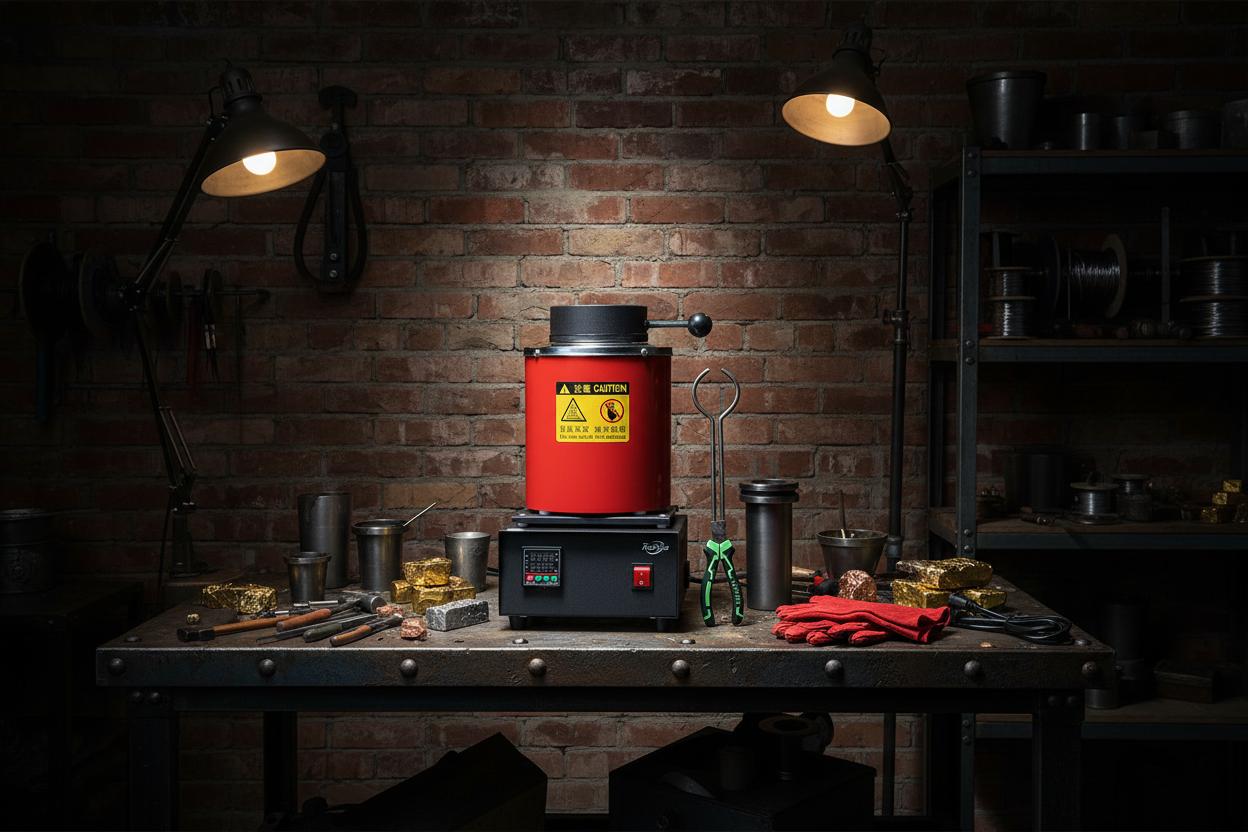
Building your first small jewelry studio is an exciting step, whether you are a hobbyist, a new goldsmith, or preparing to start a small custom jewelry business. But for many beginners, the most difficult question is simple: what jewelry machines do you actually need first?
It is easy to overspend on oversized industrial equipment, buy tools that do not match your workflow, or choose low-cost machines that create more problems than they solve. A practical jewelry studio does not need to be complicated. The key is to match each machine to your real production needs, your available space, and the type of jewelry work you plan to do.
This guide breaks down the essential equipment for a small jewelry studio in 2026, including melting, casting, soldering, polishing, and cleaning tools. Instead of listing random machines, we will follow the actual jewelry-making workflow and explain which equipment makes sense for beginners, home studios, independent goldsmiths, and small commercial workshops.
1. Understanding the Basic Jewelry Making Workflow
Before buying any jewelry equipment, it is important to understand the standard production process. Most handmade and custom jewelry work follows a similar workflow:
Melting → Casting → Soldering & Repairing → Polishing & Finishing → Deep Cleaning
Each stage requires different tools or machines. Beginners often make the mistake of buying equipment before understanding where it fits in the process. This can lead to unnecessary spending or missing key tools that are actually needed for daily work.
Melting
Melting is the process of heating raw metals such as gold, silver, copper, brass, or common jewelry alloys until they become liquid. This is usually done with a jewelry melting furnace or other suitable melting equipment.
Casting
Casting is used to form jewelry blanks such as rings, pendants, charms, or bracelets. Molten metal is poured into a prepared mold, often after the wax model and investment process. For small studios, vacuum casting machines are commonly used because they help reduce air bubbles and casting defects.
Soldering and Repairing
Soldering is used to join metal parts, repair broken jewelry, close gaps, reinforce settings, or perform detailed repair work. A small soldering torch, welding tool, or jewelry soldering station is useful for this stage.
Polishing and Finishing
After casting, soldering, or shaping, jewelry pieces usually need polishing. This step removes burrs, oxidation, small scratches, and surface marks. Tumblers, polishing motors, and finishing tools help create a cleaner and brighter final result.
Deep Cleaning
After polishing, jewelry often has polishing compound, dust, or residue in small gaps. Steam cleaners or ultrasonic cleaning equipment can help improve the final presentation before delivery or sale.
2. Beginner Jewelry Studio Setup by Studio Type
There is no single perfect equipment list for every jewelry maker. The best setup depends on your production volume, budget, available space, and long-term business goals.
Below are three practical equipment setups for different types of small jewelry studios.
Home DIY Hobby Studio
Best for: Personal jewelry making, small gift projects, simple repairs, low-frequency use, and beginners who are just learning.
Recommended equipment:
- Mini electric jewelry melting furnace
- Portable micro soldering torch
- Small rotary tumbler
- Basic hand tools
- Safety gloves and protective eyewear
For a home hobby studio, you do not need to buy a full casting system right away. A compact melting furnace, soldering tool, and small polishing tumbler are usually enough for basic practice and small projects. The priority should be safety, easy operation, low noise, and space-saving equipment.
Independent Custom Jewelry Studio
Best for: Regular custom orders, ring making, pendant making, earrings, small-batch production, repair work, and part-time or full-time independent goldsmiths.
Recommended equipment:
- 2KG or 3KG digital melting furnace
- Mini vacuum casting machine
- Adjustable jewelry soldering station
- Standard polishing tumbler
- Basic finishing and cleaning tools
This is the most balanced setup for many small custom studios. It gives you enough capacity for regular orders without taking up too much space or requiring heavy industrial equipment. If you plan to make rings, pendants, or custom pieces for customers, a small vacuum casting machine becomes an important upgrade.
Small Commercial Jewelry Workshop
Best for: Higher daily output, small-batch commercial production, multiple jewelry styles, and workshops that need more consistent production efficiency.
Recommended equipment:
- Higher-capacity melting furnace
- Full vacuum casting system
- Burnout furnace
- High-speed polishing machine
- Steam cleaning equipment
- Complete set of auxiliary tools and consumables
A small commercial workshop needs a more complete equipment system. At this stage, production speed, consistency, and supporting tools become more important. A single machine cannot complete the entire workflow, so it is better to build a matched equipment setup rather than buying tools one by one without planning.
3. How to Choose the Right Jewelry Melting Furnace
A jewelry melting furnace is one of the most important machines in a small studio. It is also one of the easiest places for beginners to make mistakes. Many new jewelers only compare price, but the better approach is to consider capacity, temperature range, metal compatibility, voltage, and safety.
Capacity: 1KG, 2KG, 3KG, or 4KG?
1KG Mini Melting Furnace
A 1KG furnace is suitable for beginners, home studios, and small personal projects. It is compact, easy to operate, and usually enough for melting small amounts of gold, silver, copper, or brass.
Best for: Home DIY, practice projects, small repairs, low-volume jewelry making
2KG–3KG Standard Melting Furnace
A 2KG or 3KG melting furnace is a practical choice for independent goldsmiths and small custom jewelry studios. It offers more working capacity without becoming too large for a small workspace.
Best for: Regular custom orders, small-batch production, rings, pendants, and bracelets, independent jewelry studios
4KG High-Capacity Melting Furnace
A 4KG furnace is better suited for small commercial workshops. For individual creators or beginners, this capacity may be more than necessary and may increase power usage and workspace requirements.
Best for: Higher-volume production, small commercial workshops, more frequent melting work
Metal Compatibility
Not every furnace is suitable for every metal. Beginners should check the maximum temperature and material compatibility before ordering.
- Low to medium melting point metals: Silver, copper, brass, and many common jewelry alloys can usually be handled by standard mini electric melting furnaces.
- Gold: Gold jewelry alloys can often be melted with suitable high-temperature jewelry furnaces, depending on the specific alloy and machine specifications.
- Palladium: Palladium requires a high-temperature furnace close to 1600°C and careful operation. Always check whether the specific machine is designed for this type of work.
- Platinum: Pure platinum has a melting point around 1768°C, which is higher than standard 1600°C furnaces. Melting or casting pure platinum usually requires dedicated professional equipment.
Crucible Selection
Graphite Crucible: Graphite crucibles are commonly used for daily gold, silver, copper, and brass melting. They are durable, heat-resistant, and suitable for many standard jewelry melting tasks.
Ceramic Crucible: Ceramic crucibles are often used for higher-purity precious metal work or when reducing contamination is important. They may be preferred for certain specialized melting applications.
Voltage and Plug Type
Many jewelry electric furnaces are available in 110V or 220V versions. Before ordering, buyers in the United States, Canada, Europe, the United Kingdom, or Australia should confirm the voltage, plug type, and power requirements shown on the product page. This step is especially important for avoiding connection problems, transformer issues, or machine damage caused by using the wrong voltage.
Safety Notes for Small Studios
Electric melting furnaces are often more suitable for indoor small studios than propane furnaces because they have lower open-flame risks. However, they still require careful operation.
Always:
- Use a heat-resistant work surface
- Wear protective eyewear
- Wear heat-resistant gloves
- Keep proper ventilation
- Keep flammable materials away
- Follow the official user manual
- Allow the machine and crucible to cool properly after use
4. Vacuum Casting vs. Centrifugal Casting: Which Is Better for Beginners?
Casting quality has a direct impact on the final jewelry result. Beginners often compare vacuum casting machines and centrifugal casting machines, but the best choice depends on experience level, jewelry style, and production needs.
Vacuum Casting
Vacuum casting is generally easier for beginners and small studios. It helps remove air from the investment mold and can reduce porosity, bubbles, and incomplete filling problems when used correctly.
Advantages:
- Beginner-friendly operation
- Helps reduce air bubbles
- Suitable for rings, pendants, charms, and small jewelry parts
- Good for independent custom studios
- Lower learning curve than centrifugal casting
Best for: Beginners who are ready to start casting, small custom jewelry studios, independent goldsmiths, small-batch production
Centrifugal Casting
Centrifugal casting uses spinning force to push molten metal into the mold. It can produce excellent results, especially for detailed designs, but it usually requires more experience and careful operation.
Advantages:
- Fast metal flow
- Good for fine details when operated correctly
- Suitable for skilled users and certain production workflows
Limitations:
- Higher learning curve
- More sensitive to operation errors
- Less beginner-friendly
- Can produce defects if not properly controlled
Best for: Experienced craftsmen, professional workshops, users with casting experience
Beginner Verdict
For most beginners and independent jewelry studios, a mini vacuum casting machine is usually the more practical starting point. It is easier to learn, suitable for many common jewelry projects, and fits better into a small studio setup.
5. Polishing and Finishing Equipment for Small Jewelry Studios
Polishing is one of the most time-consuming parts of jewelry making. The right polishing tools can save time, improve consistency, and help create a more professional final appearance.
Rotary Tumbler
A rotary tumbler is a useful polishing machine for beginners and small studios. It is often used for small jewelry parts such as rings, earrings, pendants, and charms.
Best for:
- Small-batch polishing
- Removing light burrs
- Improving surface consistency
- Reducing repetitive hand polishing
When paired with the correct polishing media, a rotary tumbler can help create a more even finish. However, delicate pieces, stone-set jewelry, or fragile designs should be polished carefully to avoid damage.
High-Speed Polishing Motor
A polishing motor is useful for more detailed finishing and high-gloss results. It is often used after initial tumbling or manual finishing.
Best for:
- High-gloss finishing
- Detailed surface work
- Custom jewelry orders
- Professional studio finishing
Beginners should use polishing motors carefully, especially with small pieces, because high-speed tools can remove material quickly or catch jewelry if used incorrectly.
Steam Cleaning Machine
A steam cleaner is useful for removing polishing compound, dust, and residue from finished jewelry. It can clean small gaps and improve the final presentation.
Best for:
- Final cleaning after polishing
- Removing residue from small details
- Improving the finished look before delivery
For studios that handle customer orders, a clean final presentation can make a strong difference in perceived quality.
6. Common Jewelry Equipment Buying Mistakes Beginners Should Avoid
Buying the Cheapest Machine Without Checking Quality
Low-cost generic equipment may look attractive at first, but unstable temperature control, weak components, unclear safety information, and poor spare parts support can create long-term problems.
For electrical jewelry equipment, always check:
- Voltage and plug type
- Maximum temperature
- Machine capacity
- Safety design
- Available accessories
- Warranty or support information
- Replacement parts availability
Buying Industrial Equipment Too Early
Many beginners think larger machines are always better. In reality, oversized equipment may waste space, consume more power, and remain underused in a small studio. A home DIY jeweler usually does not need the same equipment as a commercial workshop. Start with the machines that match your current workflow, then upgrade as your order volume increases.
Ignoring Supporting Accessories
A machine alone is not enough. Many beginners forget to prepare the accessories and consumables required for actual work.
Examples include:
- Crucibles
- Casting flasks
- Investment materials
- Polishing media
- Protective gloves
- Tongs
- Safety glasses
- Cleaning tools
- Replacement parts
A complete setup should include both the main machine and the supporting tools needed to use it properly.
Buying Machines Without a Workflow Plan
The best jewelry studio setup is not about buying as many machines as possible. It is about building a logical workflow.
Before buying equipment, ask:
- What type of jewelry will I make?
- How often will I use the machine?
- Do I need casting now, or later?
- Do I have enough space?
- What metals will I work with?
- What voltage do I need?
- Can I get replacement parts and support?
These questions help prevent unnecessary purchases and make your studio setup more practical.
7. Tooltos Small Jewelry Studio Equipment Solution
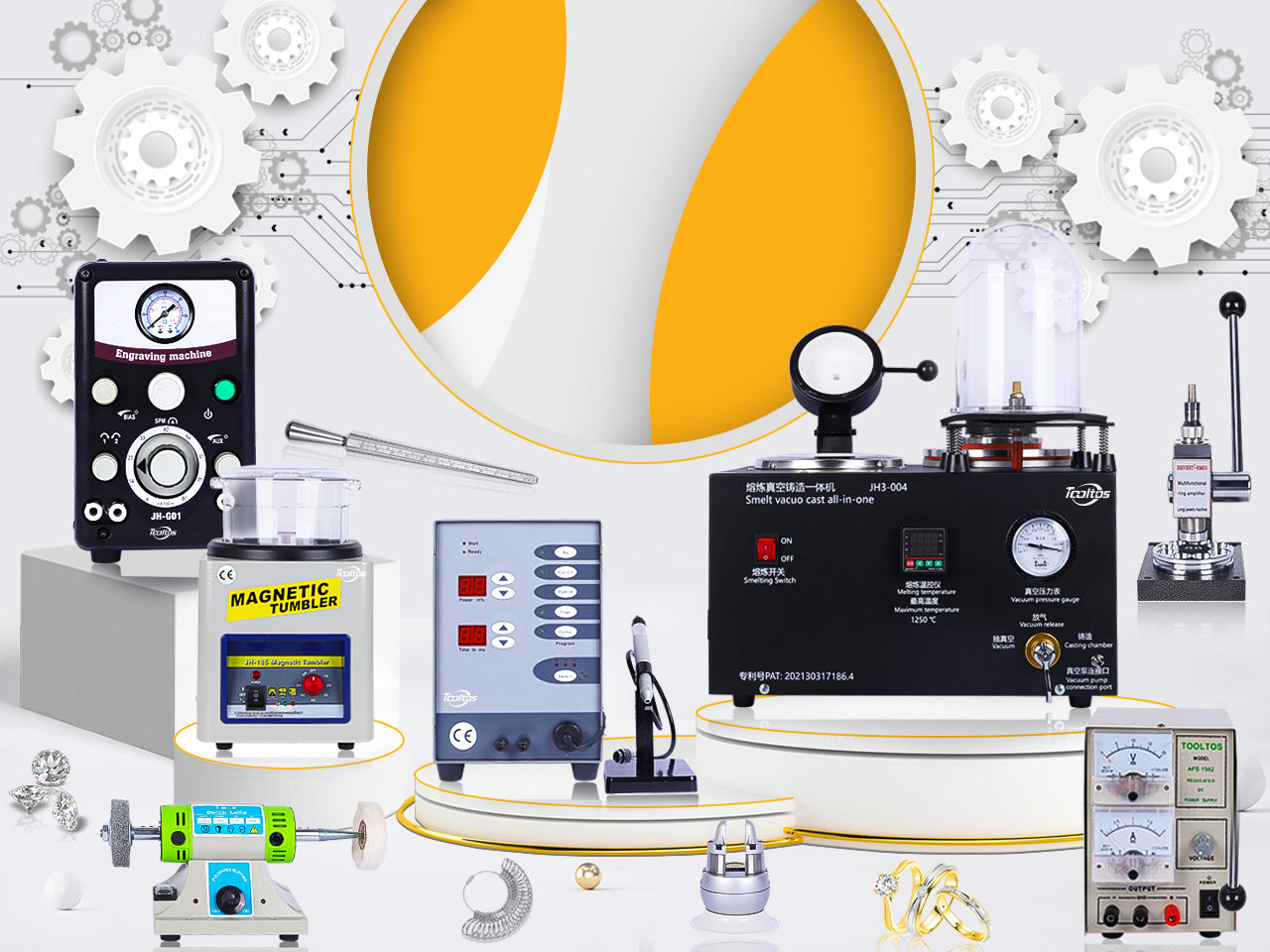
Tooltos focuses on practical jewelry equipment for small and medium studios, including melting furnaces, casting machines, soldering tools, polishing equipment, and auxiliary supplies.
Many Tooltos models are designed with simplified control panels, voltage options, and beginner-friendly operation logic. This makes them suitable for hobbyists, independent goldsmiths, and small custom jewelry businesses that need reliable equipment without the complexity of large industrial systems.
For beginners, the goal is not to buy every machine at once. A better approach is to start with basic melting, soldering, and polishing equipment, then add casting, burnout, and cleaning machines as production needs grow.
Tooltos helps small studio owners build matched equipment setups based on actual workflow, workspace, and budget, making it easier to choose the right tools for daily jewelry making and small-batch production.
8. Frequently Asked Questions from Beginner Jewelry Makers
Q1: What machines do I need to start a small jewelry studio?
For a basic home jewelry studio, you can start with a mini electric melting furnace, soldering torch or soldering station, rotary tumbler, basic hand tools, and safety equipment. If you plan to make custom rings or pendants from wax models, a vacuum casting machine and burnout furnace may be needed later.
Q2: Do beginners need a casting machine right away?
Not always. If you are only doing simple repairs, practice work, or personal jewelry projects, you may not need a casting machine at the beginning. If you want to take custom orders, cast rings, or produce small batches, a mini vacuum casting machine becomes a useful upgrade.
Q3: What size melting furnace is best for beginners?
A 1KG or 2KG melting furnace is usually enough for beginners, home studios, and small repair work. A 2KG or 3KG furnace is better for independent custom studios with regular orders. A 4KG or larger furnace is usually more suitable for small commercial workshops.
Q4: Is an electric melting furnace safer than a propane furnace for indoor studios?
For many home and small indoor studios, electric melting furnaces are more practical because they have lower open-flame risks and offer more controlled heating. However, all melting equipment requires proper safety precautions, including ventilation, protective eyewear, heat-resistant gloves, and a safe work surface.
Q5: Can a 1600°C jewelry furnace melt platinum?
A standard 1600°C furnace is not suitable for pure platinum. Pure platinum melts at around 1768°C and usually requires dedicated professional melting or casting equipment. Some high-temperature furnaces may be suitable for certain precious metals and alloys, but always check the machine specifications before use.
Q6: What is the difference between a rotary tumbler and a polishing motor?
A rotary tumbler is useful for batch polishing small jewelry parts and improving surface consistency. A polishing motor is better for detailed finishing and high-gloss results. Many small studios use both: the tumbler for initial finishing and the polishing motor for final detail work.
Q7: What should I check before buying jewelry equipment online?
Before ordering, check the machine capacity, voltage, plug type, temperature range, compatible materials, included accessories, shipping options, warranty, and replacement parts availability. For small studios, after-sales support and spare parts are just as important as the machine itself.
Conclusion
Building a small jewelry studio in 2026 does not require buying every professional machine at once. The smartest approach is to match your equipment to your actual workflow, skill level, budget, and production needs.
For beginners, start with the essentials: melting, soldering, polishing, and basic safety tools. As your work becomes more advanced, you can add vacuum casting, burnout, cleaning, and higher-capacity machines.
A well-planned jewelry studio helps reduce wasted spending, improve production quality, and make daily jewelry work more efficient. Whether you are a hobbyist, an independent goldsmith, or building a small custom jewelry business, choosing the right equipment step by step is the best way to create a practical and reliable workspace.
For beginner-friendly jewelry making machines and small studio equipment solutions, visit Tooltos at www.tooltos.com.
0 comments