

The quick answer
Start with soft round wire, measure the untapered section, and choose the first hole that makes a small reduction. File a taper long enough to feed through and grip securely, then pull in line with the hole. If the pull suddenly gets harder, stop and check the setup before moving to a smaller hole.
Set up the first pass
- Measure the wire. Check the untapered stock with a caliper in two orientations. If the readings differ noticeably, the stock may be out of round. Check the widest dimension and use a gradual starting reduction.
- Match the plate to your finished diameter. Choose a round plate whose hole sequence covers the first pass and your final size. Check the sequence on the specific variant of the Tooltos round tungsten carbide drawplate before ordering.
- Prepare the lead end. With the wire secured, file a gradual taper and remove burrs. Feed it through the larger entrance side of the die until enough length protrudes for the jaws. Leave extra stock to trim off the tapered and gripped section.
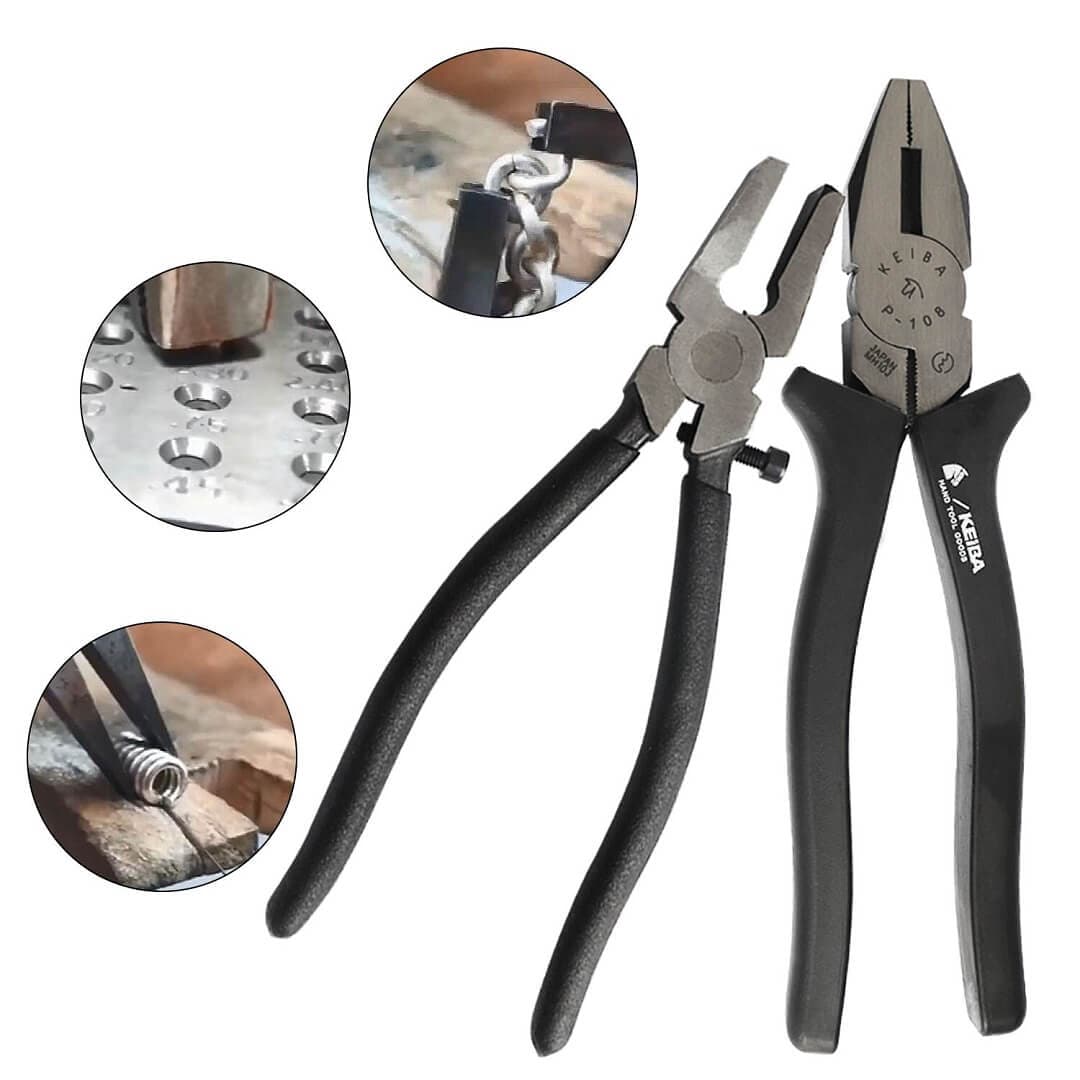
- Secure the plate and draw steadily. Use a stable vise or drawbench suited to the plate, wear eye protection, and keep your face and body clear of the line of pull. Use a suitable drawing lubricant as directed. Grip the protruding lead with wire drawing pliers and pull in line with the hole, without jerking.
- Inspect before reducing again. Check diameter and surface after each pass. Work through adjacent hole sizes and follow the alloy supplier’s annealing guidance if the stock work-hardens.
The Gem and Jewellery Skill Council of India’s jewelry fabrication handbook also illustrates wire preparation and drawing in its wire drawing section.

What to check when the pull goes wrong
| What you see | What to check first |
|---|---|
| The tip will not come through far enough to grip | Check feed direction and taper length. Try a longer, gradual taper and confirm the selected hole is close to the untapered diameter. |
| The jaws slip off | Check how much lead protrudes and whether the jaws grip securely. Keep lubricant off the gripping section. |
| The lead breaks at the hole | Check for a sharp notch at the taper and an excessive size jump. Prepare a fresh lead and start at a closer size if available. |
| A scratch follows the length of the wire | Inspect the incoming stock and die opening for an existing mark, debris, or damage. Stop using a damaged die until it has been assessed. |
| The wire develops visible cracks | Stop drawing that section. Check the incoming stock for seams or cracks and review the reduction steps and annealing guidance for the alloy. |
Example: Working toward 1.00 mm round wire
Suppose your soft starting wire measures about 1.16 mm and your plate has consecutive 1.10 and 1.00 mm holes. Try the 1.10 mm hole first. Inspect the result, then move to 1.00 mm if the wire and draw feel normal. This is an illustrative sequence. Actual hole spacing and safe reductions depend on your plate and alloy. Measure the untapered section after the last pass and trim off the lead.
Frequently asked questions
Can I use the round holes to change the profile of square wire?
For this sizing workflow, start with round or near-round stock. If you need a different finished profile, choose a plate with the corresponding die shape and use a preparation sequence suitable for your alloy and starting shape. See the Tooltos jewelry hand tools collection for other drawplate profiles.
Should I draw straight through the hole marked with my target size?
Use the target hole as the last pass in a gradual sequence. If the wire binds or the lead repeatedly breaks at the first hole, recheck the actual stock size and starting die before trying a smaller one.
0 Kommentare