

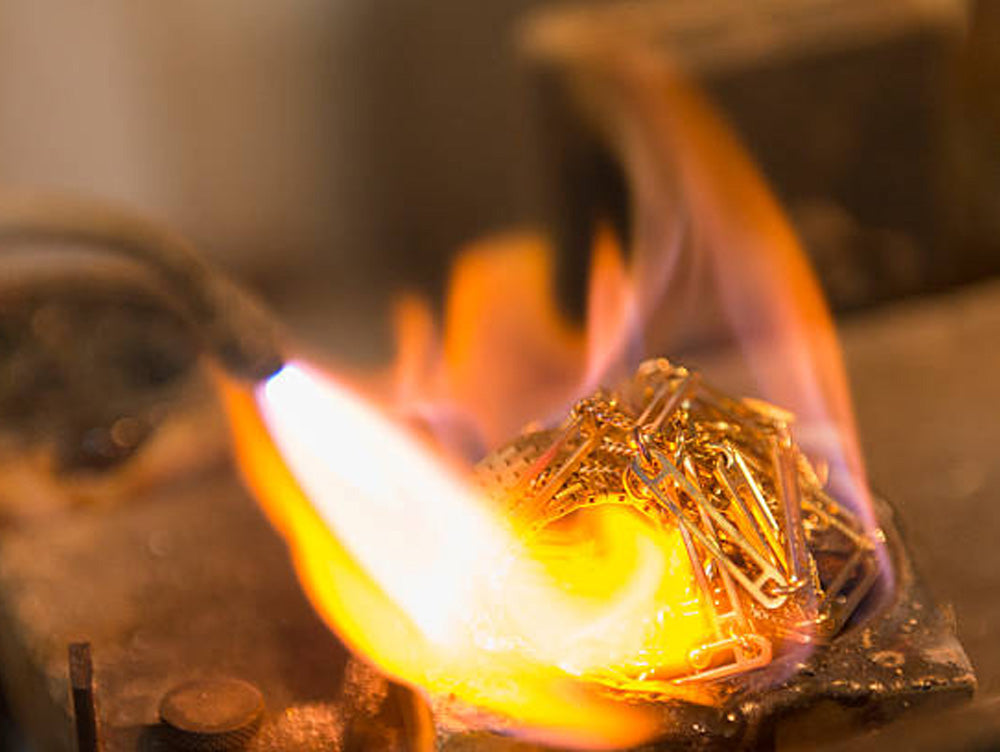
Melting metal is a fundamental skill for any jeweler, whether you're recycling scrap metal, casting new designs, or experimenting with alloys. Mastering the art of jewelry melting opens the door to endless creative possibilities. This guide covers the essentials of metal melting, from tools and techniques to safety tips.
Why Melt Metal in Jewelry Making?
Melting metal allows jewelers to recycle and reuse scrap materials, create custom alloys for unique colors and properties, prepare metal for casting into molds, and experiment with freeform organic shapes. Whether you're working with gold, silver, platinum, or other metals, melting is an eco-friendly and cost-effective practice that enhances your craftsmanship.
Essential Tools for Jewelry Melting
- Crucible — A heat-resistant container designed to withstand high temperatures. Available in graphite or ceramic, in sizes from 1KG to 3KG.
- Torch — Ideal for small-scale melting such as scrap metal or small ingots. For larger quantities, use an electric melting furnace for consistent heat distribution.
- Crucible Tongs — Heatproof tongs are essential for handling hot crucibles safely.
- Protective Gear — Safety goggles, heat-resistant gloves, and a fireproof apron are non-negotiable.
- Mold or Ingot Form — Used to shape molten metal into bars or discs for future projects.
- Flux — A chemical compound that prevents oxidation and impurities from contaminating the molten metal.
Step-by-Step Jewelry Melting Process
1. Prepare your workspace. Work in a well-ventilated area with a fireproof surface. Gather all tools and protective gear before starting.
2. Clean your metal. Remove dirt, oils, or previous finishes from scrap metal to ensure a clean melt.
3. Set up your crucible. Place the crucible in a secure position on a furnace stand or heatproof surface.
4. Apply flux. Add a small amount of flux to the metal in the crucible to prevent oxidation and ensure a cleaner melt.
5. Heat the metal. Apply even heat using your torch or furnace, starting low and gradually increasing until the metal reaches its melting point. Reference temperatures: Silver 1,763 F / 961 C, Gold 1,948 F / 1,064 C, Platinum 3,215 F / 1,768 C.
6. Pour the molten metal. Once fully molten and flowing smoothly, carefully pour into your mold or ingot form.
7. Cool and quench. Allow the metal to cool naturally or quench with water depending on the metal and project requirements.
8. Clean and inspect. Remove any flux residue and inspect the metal for quality before using in your jewelry designs.
Common Challenges and Solutions
| Problem | Cause | Solution |
|---|---|---|
| Oxidation (dull/rough surface) | Exposure to oxygen during melting | Use flux and keep the workspace clean |
| Uneven melting | Heat applied unevenly | Apply heat evenly; avoid overheating specific areas |
| Porosity (tiny holes in cooled metal) | Trapped air during pouring | Heat thoroughly and pour smoothly without interruption |
Safety Tips
- Always wear protective goggles, heat-resistant gloves, and a fireproof apron
- Keep a fire extinguisher and first aid kit nearby
- Avoid working near flammable materials
- Ensure proper ventilation to avoid inhaling metal fumes
Creative Applications of Melted Metal
- Custom alloys — Combine metals to create unique colors and properties, such as rose gold or green gold
- Organic designs — Pour molten metal onto textured surfaces like sand or charcoal to create freeform shapes
- Recycled jewelry — Transform old or broken pieces into new designs by melting and recasting
- Sculptural pieces — Use sand casting or other mold-making techniques for intricate three-dimensional designs
Recommended Melting Equipment
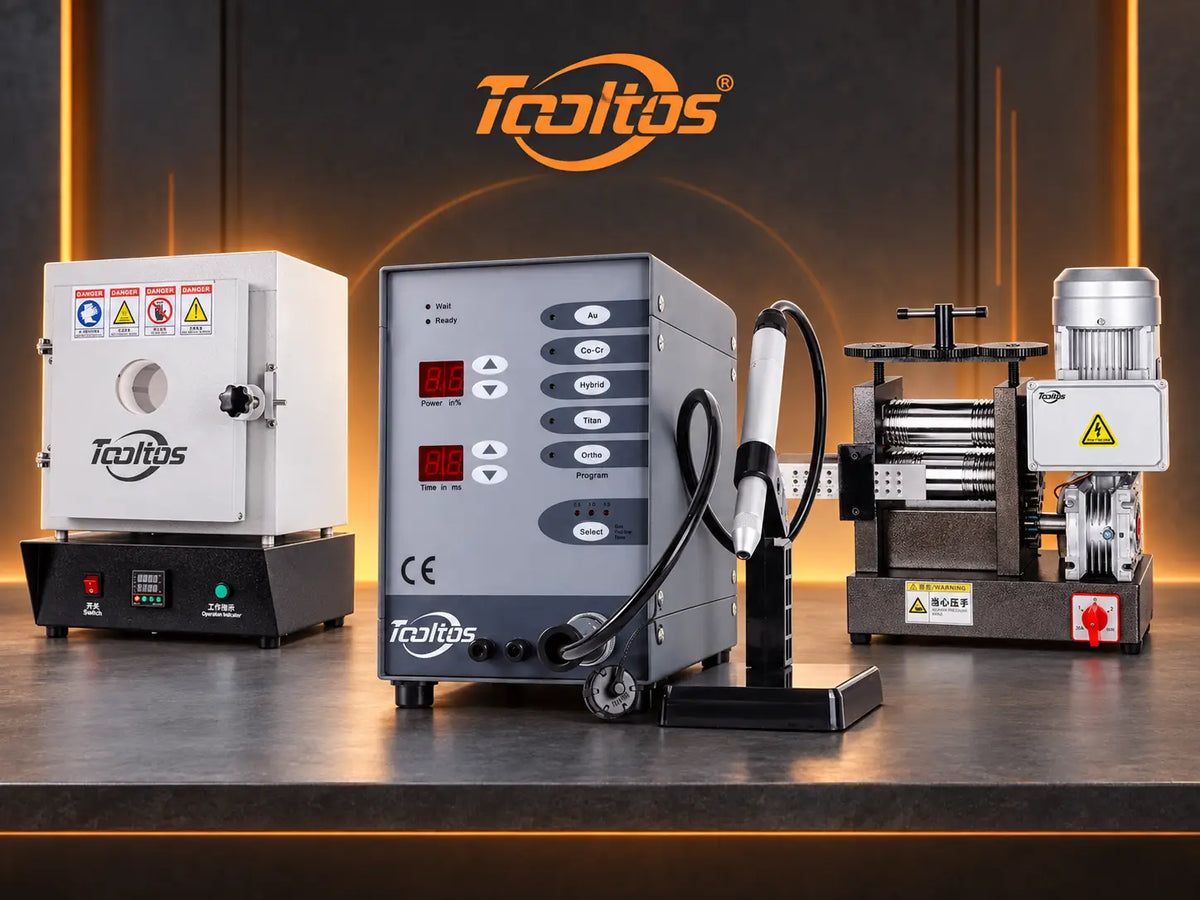
- Tooltos 1800W Digital Electric Melting Furnace — Precise temperature control for gold, silver, and copper
- Tooltos 1800W Melting Furnace with Protective Grid — Enhanced safety for busy workshops
- Tooltos Ceramic Crucible (1KG / 2KG / 3KG) — Compatible with all Tooltos electric melting furnaces
- Tooltos Graphite Crucible (1KG / 2KG / 3KG) — Ideal for high-temperature gold and silver melting
Related Guides
Shop Melting Equipment
Browse the full range of professional jewelry melting tools and furnaces at Tooltos. Contact us at sales@tooltos.com — we respond within 24 hours on business days.
0 comentarios