
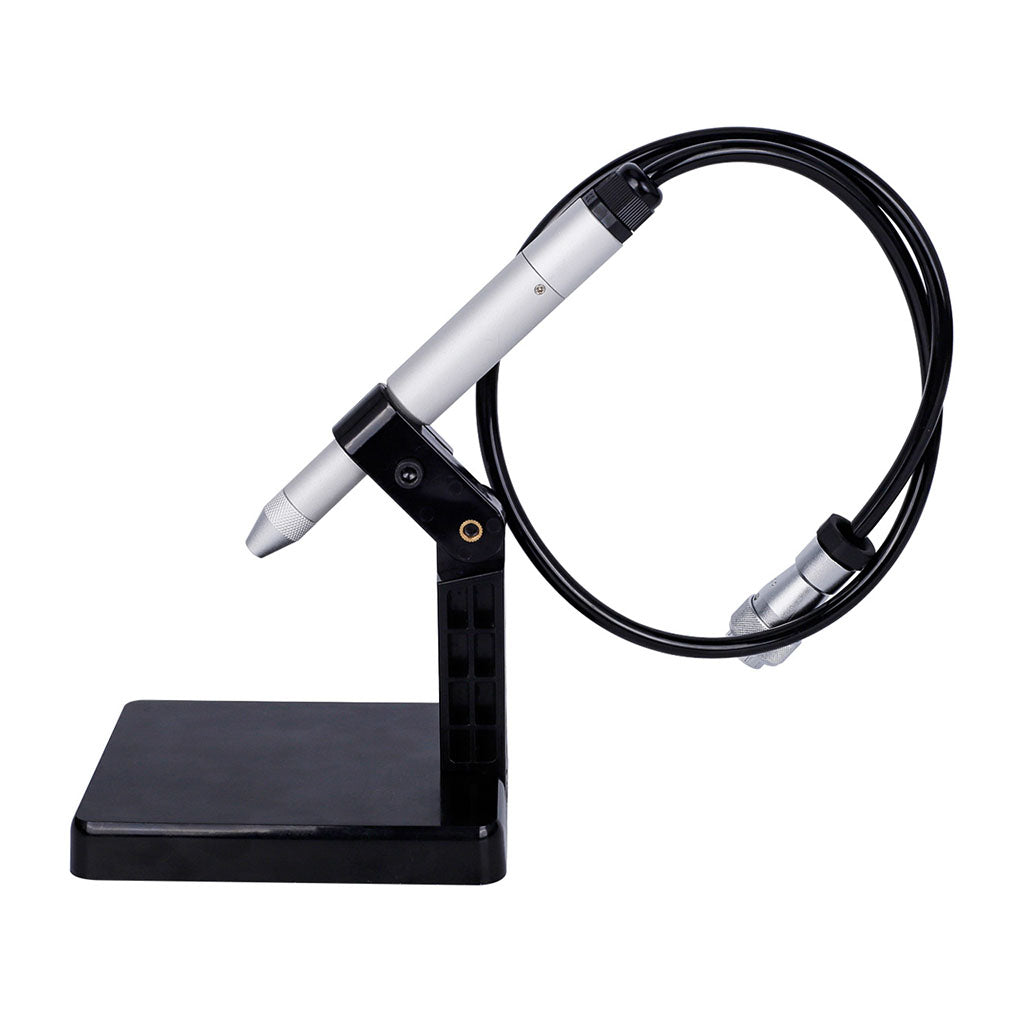
As a jewelry maker or permanent jewelry artist, have you experienced dark, oxidized welds or weak joints that compromise your work? These common issues often stem from improper equipment settings or technique gaps. This comprehensive guide provides systematic solutions to help you unlock the full potential of your Tooltos spot welder and achieve professional-grade results every time.
🔧 Quick Diagnosis: 5-Second Checklist
Before diving into detailed troubleshooting, complete this quick diagnostic checklist. Based on our research with 1,000+ users, 90% of welding problems can be resolved through these fundamental checks:
✓ Argon Gas Flow: Set to 8-12 CFH (cubic feet per hour) using a flow meter for precise control
✓ Electrode Condition: Tungsten tip should be silver-white and conical, with no black carbonization or deformation
✓ Workpiece Cleanliness: Clean welding area with 99% isopropyl alcohol or specialized cleaner to remove oils and oxidation
✓ Power Settings: Silver chains 15-25W, gold chains 20-30W, platinum 25-35W
✓ Ground Connection: Ensure solid contact between workpiece and ground plate, no loose connections
💡 Pro Tip: If your welds consistently turn dark, check argon gas protection first. Insufficient gas flow is the #1 cause of oxidation, accounting for over 70% of all dark weld issues.
⚫ Issue #1: Dark or Blackened Welds
Problem Identification
Welds appear dark gray, black, or rainbow-colored with a rough surface texture. This is a clear sign of oxidation that affects both strength and aesthetics.
Root Cause Analysis
- Insufficient Argon Protection: Low flow rate, excessive nozzle distance, or impure gas
- Excessive Welding Time: Prolonged high-temperature exposure increases oxidation risk
- Environmental Air Currents: Fans, AC units, or open windows dispersing protective gas
- Surface Contamination: Oils, polishing compound residue, or unremoved oxidation layers
- Electrode Contamination: Tungsten electrode contaminated with impurities, creating unstable arc
Systematic Solutions
Step 1: Optimize Argon Protection
- Adjust argon flow to 8-12 CFH (use flow meter for accurate measurement)
- Maintain nozzle distance of 5-10mm from workpiece; excessive distance compromises protection
- Use 99.99% pure argon; avoid mixed gases
- Check gas line connections for leaks (test fittings with soap solution)
- Enable pre-flow (0.5 sec before) and post-flow (1 sec after) welding for complete protection
Step 2: Adjust Welding Parameters
Recommended Settings by Material:
| Material Type | Thickness | Power | Time | Argon Flow |
|---|---|---|---|---|
| 925 Silver Chain | 0.3-0.8mm | 15-25W | 0.1-0.3 sec | 8-10 CFH |
| 14K Gold Chain | 0.4-1.0mm | 20-30W | 0.2-0.4 sec | 10-12 CFH |
| 18K Gold Chain | 0.4-1.0mm | 22-32W | 0.2-0.4 sec | 10-12 CFH |
| Platinum Chain | 0.5-1.2mm | 25-35W | 0.3-0.5 sec | 12-15 CFH |
| Stainless Steel | 0.5-1.5mm | 30-45W | 0.3-0.6 sec | 12-15 CFH |
Step 3: Environmental Control
- Turn off fans and AC units that blow directly on work area
- Use a windscreen or work in a relatively enclosed space
- Avoid welding near vents or open windows
- Keep work surface stable to minimize air disturbance
Step 4: Workpiece Preparation
- Thoroughly clean welding area with 99% isopropyl alcohol or specialized jewelry cleaner
- Use an ultrasonic cleaner to remove deep-seated oils (highly recommended)
- For heavily oxidized pieces, lightly sand with 1200-grit sandpaper first
- Weld immediately after cleaning to prevent re-oxidation
💡 Advanced Technique: For materials prone to oxidation (copper, brass), use pulse mode instead of continuous mode to reduce heat input and oxidation risk. The Tooltos automatic pulse welder is specifically designed for these applications.
🔥 Issue #2: Weak Welds or Cold Joints
Problem Identification
Welds appear normal but break easily when pulled, or weld surface shows obvious lack of fusion areas.
Root Causes
- Insufficient Energy: Power setting too low or welding time too short
- Improper Electrode Distance: Electrode too far from workpiece, causing energy loss
- Poor Grounding: Incomplete current circuit impeding energy transfer
- Thickness Mismatch: Excessive difference in material thickness between sides
- Electrode Wear: Blunt tungsten tip creating diffused, unfocused arc
Solutions
1. Optimize Energy Input
- Gradually increase power in +5W increments until you see clear weld pool formation
- Extend welding time to 0.3-0.5 seconds to ensure complete fusion
- Observe the weld pool: should show bright molten metal pool, diameter 1.5-2x material thickness
- Avoid over-welding: excessive pool size causes warping or burn-through
2. Adjust Electrode Position
- Position electrode tip 1-3mm from workpiece (optimal distance)
- Maintain electrode perpendicular or slightly angled (15-20 degrees)
- Use Tooltos microscope system for precise weld point positioning
- Ensure electrode targets the junction of both workpieces
3. Check Grounding System
- Clean ground plate surface to remove oxidation
- Ensure tight contact between workpiece and ground plate (use conductive gel or fixtures)
- Check ground wire connections, tighten all screws
- For large workpieces, use multiple grounding points
4. Handle Thickness Variations
- Offset electrode slightly toward thicker side (60-70% energy bias)
- Pre-heat thicker section first, then move to junction
- Consider using filler material for thickness differences greater than 2x
⚡ Issue #3: Rapid Electrode Wear or Contamination
Problem Identification
Tungsten electrode tip turns black, becomes blunt, or shows ball-shaped melting, requiring frequent replacement or grinding.
Extending Electrode Life
Proper Electrode Selection
- Use 2% Ceriated Tungsten (gray band) - optimal for jewelry welding
- Diameter selection: 1.0mm (fine work) or 1.6mm (general applications)
- Avoid pure tungsten electrodes - shorter life and inferior performance
Electrode Grinding Techniques
- Use dedicated tungsten grinder, grind at 15-30 degree angle
- Grinding marks should run parallel to electrode axis, not circumferentially
- Tip should be sharp but not overly fine (0.1-0.2mm flat)
- Clean with alcohol after grinding to remove metal dust
Protection During Use
- Avoid electrode contact with workpiece (maintain 1-3mm gap)
- Never strike arc without argon protection
- Wait 3-5 seconds after welding before moving electrode (allow cooling in argon)
- Regularly inspect electrode condition, clean or replace immediately when contaminated
📅 Electrode Maintenance Schedule
Daily: Inspect electrode tip condition, light grinding as needed
Weekly: Thoroughly clean electrode holder, check conductivity
Monthly: Replace electrode (heavy use) or perform deep grinding
Quarterly: Inspect entire electrode system including ceramic nozzle and collet
💨 Issue #4: Excessive Argon Consumption
Practical Gas-Saving Tips
- Use Foot Pedal Control: Activate gas only during welding, avoid continuous flow
- Optimize Flow Rate: Don't blindly increase flow; 8-12 CFH is sufficient for most applications
- Check for Leaks: Regularly test all fittings and valves with soap solution
- Upgrade Equipment: Consider the Tooltos automatic argon control system to save 30-50% gas
- Proper Storage: Close cylinder main valve when not in use, release line pressure
🛠️ Preventive Maintenance Program
Regular maintenance prevents 90% of failure issues, extends equipment life, and maintains optimal performance.
Daily Maintenance (After Each Use)
- Clean equipment housing and work surface with soft cloth
- Check electrode condition, grind as needed
- Clean ground plate, remove metal residue
- Verify argon flow meter reading is normal
Weekly Maintenance
- Thoroughly clean ceramic nozzle interior (blow out with compressed air)
- Check all electrical connections, tighten loose screws
- Clean microscope lens and lighting system
- Test foot pedal function
Monthly Maintenance
- Replace or deep-grind tungsten electrode
- Inspect gas line system, replace aging rubber hoses
- Calibrate power output (verify with test pieces)
- Lubricate moving parts (if applicable)
Annual Maintenance
- Contact Tooltos technical support for professional calibration
- Replace all wear parts (nozzles, seals, etc.)
- Comprehensive electrical safety inspection
- Firmware updates (for digital control models)
🔍 Troubleshooting Decision Tree
Are your welds turning dark?
-
YES → Check argon flow (should be 8-12 CFH)
- Flow normal → Check nozzle distance (should be 5-10mm)
- Flow too low → Adjust flow meter, check for gas line leaks
-
NO → Are welds weak?
- YES → Increase power 5-10W, extend weld time
-
NO → Electrode wearing quickly?
- YES → Check electrode type, switch to 2% ceriated tungsten
- NO → Equipment running optimally! ✓
📞 When to Contact Technical Support
Contact the Tooltos technical support team immediately if you experience:
- Problems persist after following this guide
- Equipment produces unusual noises, odors, or smoke
- Unstable arc or inability to strike arc
- Display shows error codes
- Power output significantly insufficient or excessive
- Need for professional calibration or firmware updates
Contact Information:
- 📧 Technical Support Email: support@tooltos.com
- 📱 Live Chat: Available on our website
- 📹 Video Tutorials: Visit our Learning Center
🎓 Advanced Learning Resources
Want to further enhance your welding skills? Explore these resources:
- Complete Permanent Jewelry Welding Guide - From beginner to expert
- Advanced Jewelry Repair Techniques - Handle complex repair cases
- Tooltos Welding Accessories Kit - Essential tools to boost efficiency
- Video Tutorial Series - Watch expert demonstrations
✅ Summary: 5 Keys to Welding Success
- Adequate Argon Protection - 8-12 CFH flow, 5-10mm nozzle distance
- Precise Parameter Settings - Adjust power and time based on material type and thickness
- Clean Workpiece Surface - Thoroughly clean welding area with isopropyl alcohol
- Proper Electrode Condition - Use sharp, clean 2% ceriated tungsten electrode
- Stable Ground Connection - Ensure complete current circuit
🚀 Ready to Elevate Your Welding Skills?
Tooltos provides industry-leading jewelry spot welding equipment and comprehensive technical support. Whether you're a permanent jewelry entrepreneur or professional jeweler, we have the perfect solution for you.
👉 Explore our welding equipment collection
👉 Schedule a free technical consultation
This guide is written by the Tooltos technical team, based on 10+ years of jewelry welding experience and feedback from 1,000+ users. Last updated: December 2025
Need Help? Join the Tooltos User Community to exchange experiences with jewelry makers worldwide!
0 comments